
CLIMATE
Climate Action
At HBI, we are committed to making apparel with the environment and planet in mind.
We believe the transformation to a low-carbon future will deliver far-reaching benefits – not just for the environment but also for our business and the communities where we live and work.
That’s why we set reduction targets for our emissions through the Science-Based Targets Initiative in 2021. Our targets aimed for a 46.2% reduction in Scope 1 and 2 emissions and a 27.5% reduction in Scope 3 emissions (upstream transportation and purchased goods and services) by 2030. Through 2023, we met these targets seven years ahead of schedule, but we continue to strive for further reductions beyond our SBTi-approved targets. Decarbonizing is not only the right thing to do for the planet – it also strengthens our business by driving operational efficiency, lowering our costs, and increasing the resilience of our business in a rapidly changing world.
For information on our historical progress on reducing emissions, see our data dashboard.
Energy Management
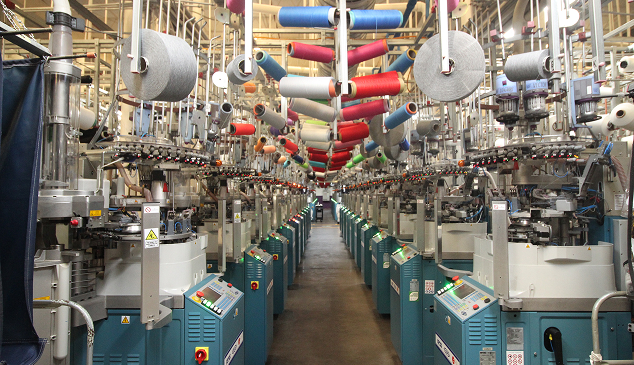
Managing global energy consumption is a key business strategy for HBI, with rewards that benefit everyone – lowered emissions, reduced costs, and heightened operational efficiency. It is a key part of our strategy to reduce our emissions and drive significant cost savings.
We’ve ingrained an ethos of continuous energy improvement into our corporate culture. It’s built on robust systems and standards that require all of our facilities to develop annual energy action plans. These plans help achieve our energy and carbon emission goals and keep our teams engaged with ongoing education and training, including energy treasure hunts at our plants.
We’ve invested heavily in improving energy efficiency, including optimizing production equipment and processes and improving wastewater heat recovery, lighting, and HVAC systems.
Though we own or operate the manufacturing facilities responsible for producing nearly 75% of our products, we’re always conscious that our external suppliers have their own energy footprint. We encourage our suppliers to follow our lead by practicing more responsible energy management and reducing Scope 3 emissions.
Energy Management
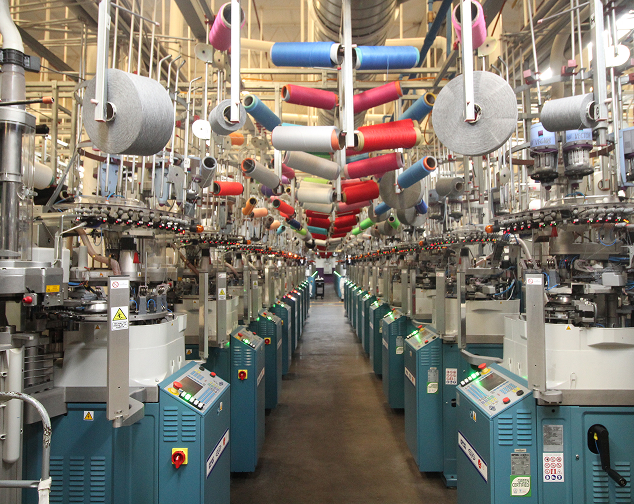
Managing global energy consumption is a key business strategy for HBI, with rewards that benefit everyone – lowered emissions, reduced costs, and heightened operational efficiency. It is a key part of our strategy to reduce our emissions and drive significant cost savings.
We’ve ingrained an ethos of continuous energy improvement into our corporate culture. It’s built on robust systems and standards that require all of our facilities to develop annual energy action plans. These plans help achieve our energy and carbon emission goals and keep our teams engaged with ongoing education and training, including energy treasure hunts at our plants.
We’ve invested heavily in improving energy efficiency, including optimizing production equipment and processes and improving wastewater heat recovery, lighting, and HVAC systems.
Though we own or operate the manufacturing facilities responsible for producing nearly 75% of our products, we’re always conscious that our external suppliers have their own energy footprint. We encourage our suppliers to follow our lead by practicing more responsible energy management and reducing Scope 3 emissions.
Renewables
Our goal is straightforward: by 2030, 100% of our owned operations’ electricity will come from renewable sources.
Our energy management strategy is to apply cost-effective renewable energy technologies to successfully and sustainably power our sites. These include biomass-fired boiler technologies, geothermal electric power, and solar electric. These technologies are the result of a long history of integrating sustainability initiatives into our business model.
Biomass Boiler Technology
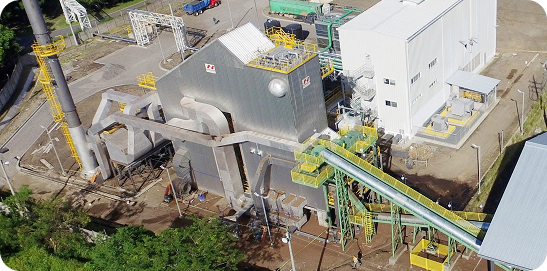
Today, we own and operate two state-of-the-art facilities that produce steam at our large textile sites in the Dominican Republic and El Salvador, which produce more than half of our products. These boilers consume a mix of solid biomass fuel – wood chips, sugarcane bagasse, coconut shells, and rice husks – and other agricultural residuals.
- In 2015, the El Salvador system began operations and now meets most of the site’s process thermal needs.
- In the Dominican Republic, we developed an on-site biomass plantation to support fuel needs.
These efforts save millions of dollars, reduce our exposure to volatile energy prices, and help mitigate environmental impact by avoiding approximately 70,000 metric tons of greenhouse gas emissions per year—the equivalent of taking 14,830 cars off the road or planting over a million trees.
Solar Panels
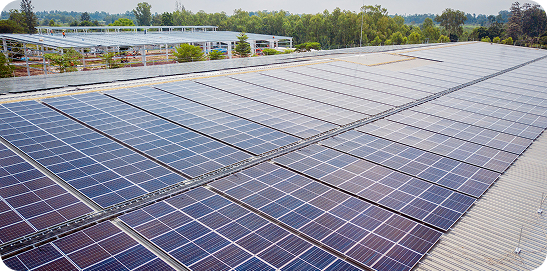
As we work toward our goal of manufacturing with 100% renewable electricity by 2030, we’ve made significant progress with solar energy.
- At our Surin, Thailand sewing facility, our rooftop solar system began operating in September 2022 – our first large-scale direct investment in solar. As of 2024, solar electricity covers about 35% of our total consumption, and the rest we purchase from renewable sources – now we are powering 100% of the site with renewable electricity.
- Since November 2022, our Dos Rios plant in the Dominican Republic – one of our largest fabric sites – has operated almost entirely on renewable solar energy through a Solar Power Purchase Agreement with a local solar park, supplying nearly 100% of its electricity needs for the next decade.
- Company-owned solar panels have also been installed at our Villanueva facilities in Honduras, where they provide 61% renewable energy for production needs.
Climate Risk Management
Climate change may pose risks to our business, including interruptions in our supply chain, heightened regulatory obligations, and increased operating costs. To manage and mitigate these risks, we’re using our enterprise risk management (ERM) process to identify, assess and prioritize environmental and climate risks, so we’re ready and able to tackle them in the most effective way.
Take a look at more details on our ERM process and how we are using it to formally evaluate and manage climate change risk.