OUR PRODUCTS
As a company that helps clothe the world, we understand that we are having an impact on the environment throughout the lifecycle of our products, which is why we’ve set goals that address the full process from production and design through to post-consumer waste.
A critical part of our sustainability strategy is the way we approach the design, development and production of our products. To ensure we are putting sustainability at the heart of this, we are committed to embedding circularity across our business model. This requires us to rethink how we design, produce and manage textiles and apparel in a way that minimizes waste, maximizes resource efficiency, and extends product life cycles.
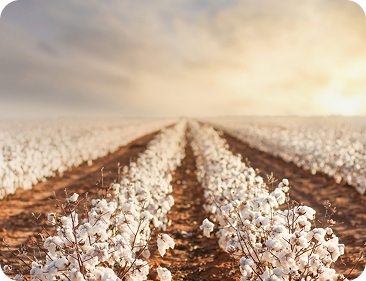
Beyond circularity, we are also looking closely at the materials we use in our products. Our aim is to increase the use of Better and Best fibres across our entire material portfolio, focusing on those with lower environmental impact, more responsible sourcing, and greater traceability. In 2024 we produced nearly 1.7 billion units of product, the main material being cotton. 89% of our cotton came from locations with more sustainable land, water, pesticide and labour practices, such as the U.S. and Australia. By sourcing from these locations, we have been able to trace much of our cotton and material journeys.
With our

We are working towards:
Using 90% Better or Best fibres across all our materials by 2030.
Using 100% Better or Best cotton by 2030.
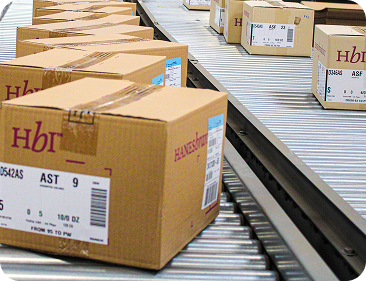
Eliminating 50% of specific problematic packaging materials by 2030.
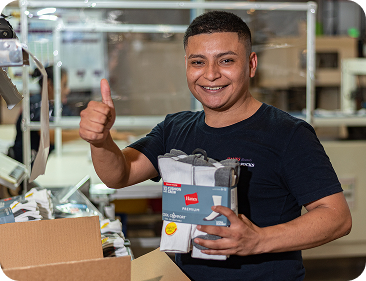
Targeting 90% of all remaining single-use plastic in packaging to be recyclable by 2030.
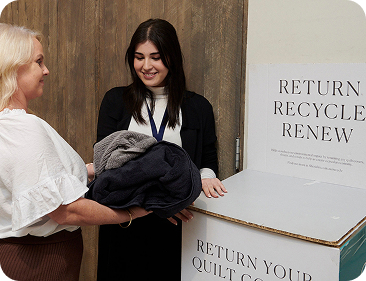
Embedding circularity across our business model, including circular design principles, minimizing waste across the value chain, and engaging in industry partnerships.
To read about the progress we’ve made on our goals, see our sustainability performance dashboard page
 Areas of focus
Materials
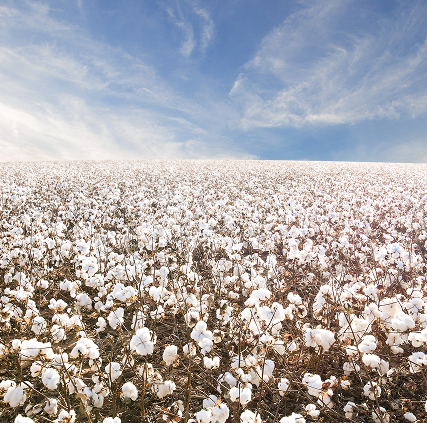
Cotton is the most commonly used material in HBI products, making it a priority for helping us reduce our environmental impact.
Circularity
Circular economies are focused on creating a world with zero waste. A world where materials are either kept in use indefinitely, regenerated and remanufactured into new products, or made completely from natural, degradable materials.