OUR
CIRCULARITY
ROADMAP
We are committed to integrating circularity into every aspect of our business.
From design and production to end-of-life management, we are focused on creating textiles and apparel that aim to keep resources in use for as long as possible. Our approach is centered on minimizing waste, improving resource efficiency, and extending the life cycles of our products through responsible design, reuse and recycling.
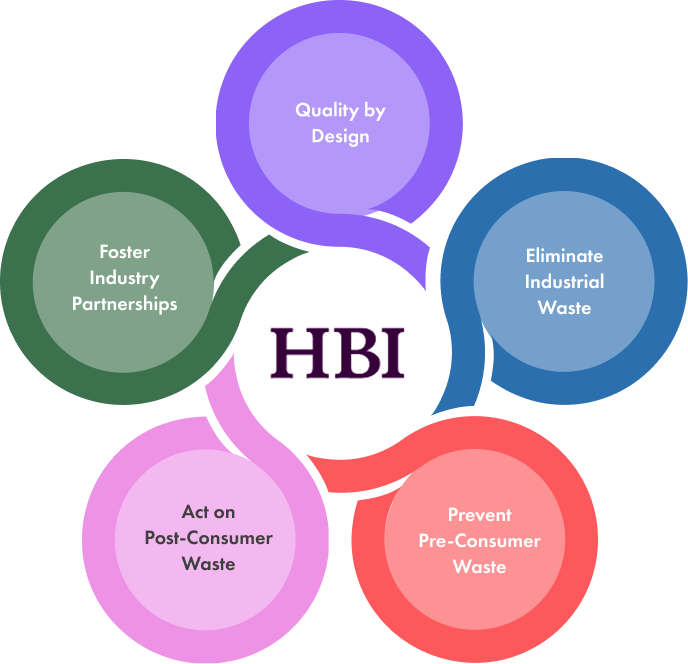
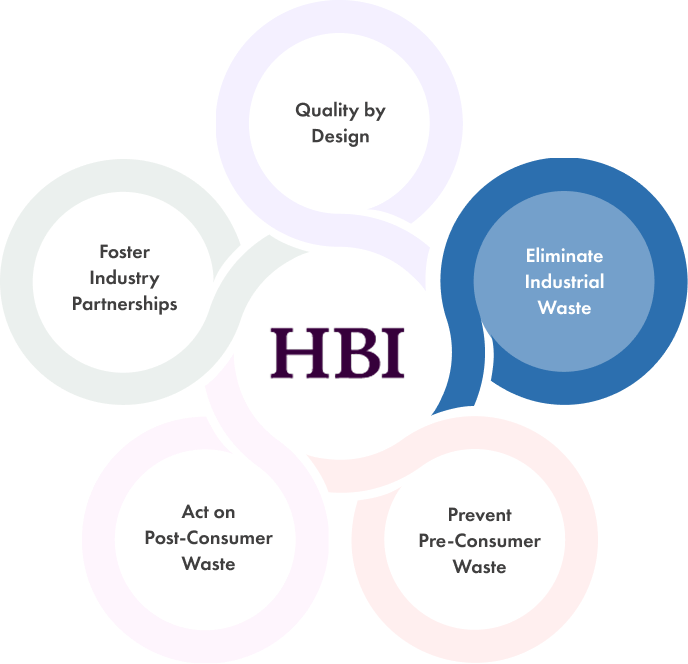
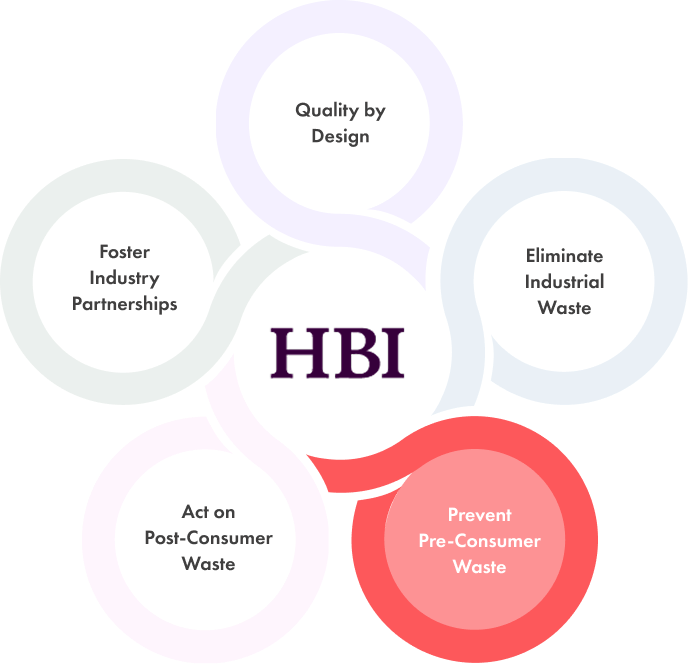
As we work to implement, In the Loop: Our Circularity Roadmap serves as our roadmap to reducing waste production — guiding us to design better, waste less, and keep products and materials in use for longer. We are working to move beyond the traditional “take-make-dispose” model and toward a circular system that emphasizes sustainability at every stage. Adopting this framework is an important step toward creating a more circular system that will help us to reduce waste production while driving more sustainable outcomes for our business, consumers, and the broader apparel industry.

In the Loop: Our Circularity Roadmap
Our circular roadmap aims to make a positive impact on the environment while providing long-term value for our business, our consumers, and the industry.
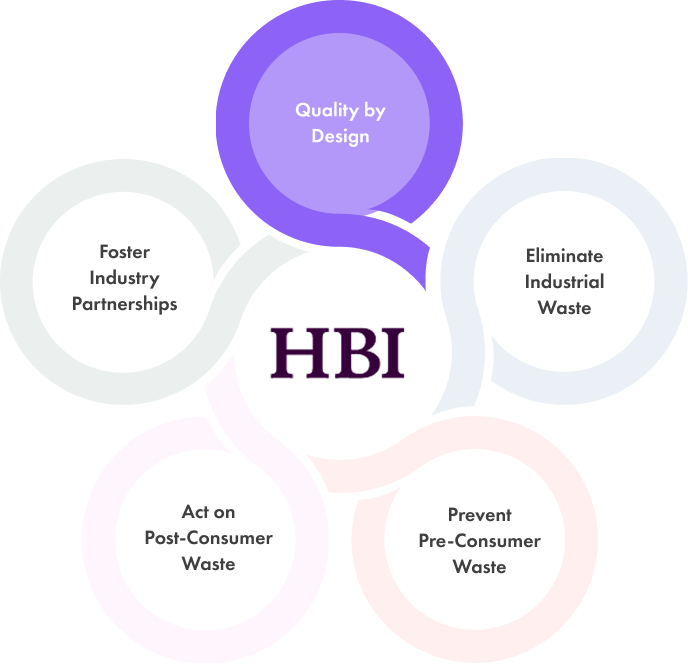
Quality by Design
Designing for comfort that lasts. Good design is the foundation of responsible apparel. We focus on high-quality, durable materials, safer chemistry, and design that extends product life. Using rigorous testing, we build garments to last. While early in circular design, we’re actively exploring ways to reduce waste and improve recyclability.
Show more
Behind the Seams: Our Drive for Long-Lasting Comfort
Material Choice:
We believe the materials we choose define not only the quality of our products, but also our impact on the planet and the people who make them. That’s why we hold ourselves to high standards when it comes to material selection — prioritizing durability, safety and responsibility from the start.
Our Preferred Materials Framework is a practical guide that will help us make smarter choices and meet our 2030 goals:
- Using 90% Better or Best fibres across all our materials.
- Using 100% Better or Best Cotton.
Durability:
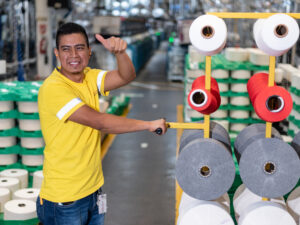
At the heart of our commitment to quality and durability is a rigorous, four-level testing process that evaluates everything from material integrity and garment construction to fit and consumer feedback — both before and after laundering.
We design our products to endure regular at-home wear and tear, helping them stay looking newer for longer. On average, our garments are built to withstand a minimum of 25 washes, surpassing the industry benchmark of approximately 15 washes.
To meet or exceed key durability standards, we follow Good Manufacturing Practices (GMP) and partner with ISO-certified third-party labs in addition to our own internal proprietary testing. This comprehensive approach helps us deliver on our mission to create a more comfortable world for every body.
Better Chemistry:
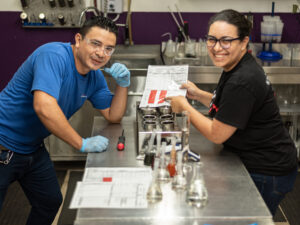
We are committed to using safer, more responsible chemicals throughout our production process. Compliance with chemical safety standards such as ZDHC (Zero Discharge of Hazardous Chemicals) and OEKO-TEX® certifications will continue to be a priority. These standards help us in our efforts to use materials that are free from harmful substances and safe for both workers and consumers.
Today, we have over 8,000 SKUs certified under OEKO-TEX® Standard 100 — and we’re working toward even higher targets, with the following 2030 goals:
- 75% of our products to be OEKO-TEX® certified.
- 100% of dyes and chemicals used in our internal manufacturing facilities to be ZDHC certified.
As we continue developing our chemical management program, we aim to further reduce impact and support a safer, more responsible supply chain.
Designing Out Waste:
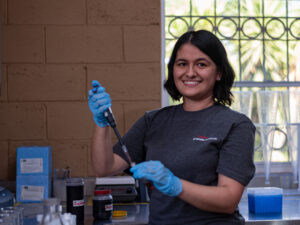
We’re reducing waste by rethinking how we design and manufacture our products. By using tools like 3D modeling and digital sampling, we limit the need for physical prototypes — cutting down on excess materials before production even starts. As we move forward, we’re continually exploring new technologies and innovations that can improve efficiency and help eliminate waste across our processes.

Eliminate Industrial Waste
Eliminate waste in manufacturing. What happens behind the scenes matters. This focus area supports our circular economy goals by reducing waste and conserving resources across production and distribution. By improving energy and water efficiency, diverting waste from landfill, and continually refining our operations, we’re working to keep valuable materials in use and minimize our environmental footprint.
Show more
Waste less, do more:
Zero Operational Waste:
We’re committed to achieving 100% zero operational waste to landfill by the end of 2025. As of today, we’re proud to be tracking at 99%, reflecting years of dedicated effort across our global operations.
This progress is the result of cross-functional collaboration, best-practice sharing across regions, and a systematic overhaul of how we manage waste. We’ve updated global waste policies, delivered comprehensive zero-waste trainings, and implemented clear reporting structures to achieve accountability at every level. Robust data collection and metrics tracking have played a critical role—allowing us to measure progress, identify opportunities, and make informed decisions to close remaining gaps.
From rethinking material flows to building local partnerships for recycling and reuse, every step has brought us closer to our goal. By equipping teams with the right tools, insights, and support—and fostering a culture of continuous improvement—we’re embedding circular thinking into our operations and driving lasting impact.
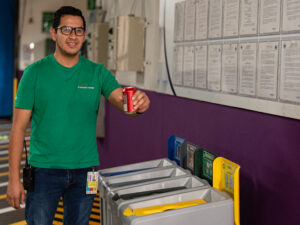
At our Phu Bai and Surin facilities, for example, teams are reimagining cutting room scraps—like cotton, polyester, and spandex—as valuable resources. By sorting these materials and partnering with local vendors, they’re transformed into hammocks, doormats, and cleaning cloths. It’s just one example of how rethinking waste can lead to more circular solutions across our operations.

Water and Energy Usage:
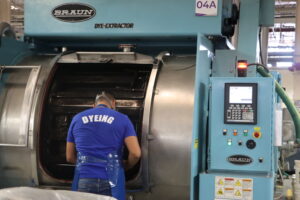
Since 2007, when we first began formally tracking and reporting our energy use (including renewables), greenhouse gas emissions, water consumption, and waste generation/diversion, we have made significant progress—reducing energy consumption by 25% and water consumption by 43%.
By continuing to increase efficiency, we use fewer inputs to make our products, supporting the principles of the circular economy by conserving resources and minimizing waste. Moving forward, we remain focused on improving energy and resource efficiency as key parts of our broader sustainability goals.
Eliminate Industrial Waste
Eliminate waste in manufacturing. What happens behind the scenes matters. This focus area supports our circular economy goals by reducing waste and conserving resources across production and distribution. By improving energy and water efficiency, diverting waste from landfill, and continually refining our operations, we’re working to keep valuable materials in use and minimize our environmental footprint.
Show more
Waste less, do more:
Zero Operational Waste:
We’re committed to achieving 100% zero operational waste to landfill by the end of 2025. As of today, we’re proud to be tracking at 99%, reflecting years of dedicated effort across our global operations.
This progress is the result of cross-functional collaboration, best-practice sharing across regions, and a systematic overhaul of how we manage waste. We’ve updated global waste policies, delivered comprehensive zero-waste trainings, and implemented clear reporting structures to achieve accountability at every level. Robust data collection and metrics tracking have played a critical role—allowing us to measure progress, identify opportunities, and make informed decisions to close remaining gaps.
From rethinking material flows to building local partnerships for recycling and reuse, every step has brought us closer to our goal. By equipping teams with the right tools, insights, and support—and fostering a culture of continuous improvement—we’re embedding circular thinking into our operations and driving lasting impact.
At our Phu Bai and Surin facilities, for example, teams are reimagining cutting room scraps—like cotton, polyester, and spandex—as valuable resources. By sorting these materials and partnering with local vendors, they’re transformed into hammocks, doormats, and cleaning cloths. It’s just one example of how rethinking waste can lead to more circular solutions across our operations.
Water and Energy Usage:
Since 2007, when we first began formally tracking and reporting our energy use (including renewables), greenhouse gas emissions, water consumption, and waste generation/diversion, we have made significant progress—reducing energy consumption by 25% and water consumption by 43%.
By continuing to increase efficiency, we use fewer inputs to make our products, supporting the principles of the circular economy by conserving resources and minimizing waste. Moving forward, we remain focused on improving energy and resource efficiency as key parts of our broader sustainability goals.
Prevent Pre-Consumer Waste
Reduce waste before products are sold. Preventing waste before it starts is one of the most effective strategies for building a circular system. This focus area concentrates on managing finished goods and inventory responsibly, long before a product ever reaches a consumer.
Show more
Made to Matter, Not to Waste:
Minimize Excess Inventory and Reduce Obsolescence:
Reducing pre-consumer waste starts with smarter planning. We’re working to minimize excess inventory and reduce the risk of materials becoming obsolete through two key strategies:
- Enhancing our forecasting systems
- Shortening lead times
By improving demand forecasting and shortening lead times, we can better match production to actual consumer needs. This helps reduce overproduction, respond more quickly to trend shifts, and minimize the risk of excess materials becoming obsolete—supporting a more responsive, resource-efficient supply chain.

Establishing a “No Landfill” Policy for Unsold Finished Goods:
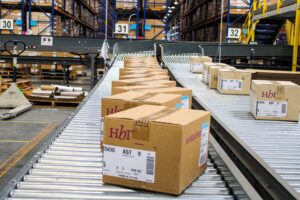
By the end of 2026, we will implement a formal “No Landfill” policy for all finished products. While this is already a common practice across our operations, the policy will formalize our commitment: any unsellable products must be donated, repurposed, or recycled rather than sent to landfills—except when product safety or regulatory reasons prevent reuse or redistribution. This policy supports our ongoing efforts to reduce pre-consumer waste and promote more responsible practices.
Partnerships for Product Donations:
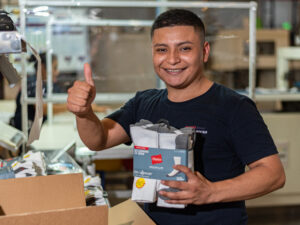
We work closely with nonprofit organizations and community partners to donate products, delivering essential items to those who need them most. Through these collaborations, we strive to create a positive impact—supporting communities while advancing a more sustainable and equitable world. In 2024 alone, we proudly donated 1.38 million units to help make this vision a reality.

Act on Post-Consumer Waste
Standing by every product, even at the end. Our commitment to the planet doesn’t end at the point of sale. This focus area is about planning for a product’s next life, not just its first. We’re exploring and beginning to build the foundations for systems that will support the return, reuse, and recycling of products at end-of-life — including the future launch of a post-consumer take-back program.
Show more
Closing the Loop:
Clear Packaging, Clearer Impact:
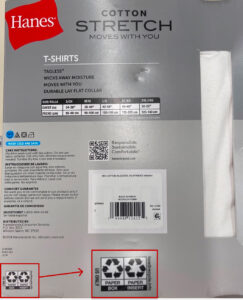
We’ve partnered with How2Recycle in the U.S. to make recycling more intuitive and accessible. By including clear, standardized recycling instructions on nearly 500 million product packages, we’re helping consumers make informed choices about how to responsibly dispose of packaging.
Product Take Back Program:
To close the loop on product life cycles, HBI plans to launch a post-consumer textile collection program by 2030. Our Sheridan brand has already implemented a take-back program in Australia, laying the groundwork for broader adoption. This initiative will encourage customers to return used garments for recycling or upcycling—ensuring products are given new life instead of ending up as waste.

Extend Producer Responsibility (EPR):
We are committed to participating in Extended Producer Responsibility (EPR) programs for both textiles and packaging, working towards responsible management of our products and materials throughout their entire lifecycle.
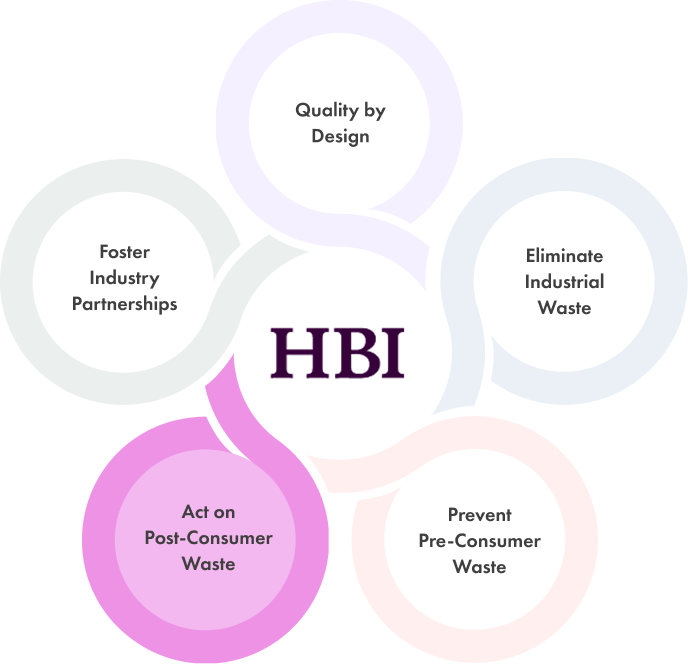
Act on Post-Consumer Waste
Standing by every product, even at the end. Our commitment to the planet doesn’t end at the point of sale. This focus area is about planning for a product’s next life, not just its first. We’re exploring and beginning to build the foundations for systems that will support the return, reuse, and recycling of products at end-of-life — including the future launch of a post-consumer take-back program.
Show more
Closing the Loop:
Clear Packaging, Clearer Impact:
We’ve partnered with How2Recycle in the U.S. to make recycling more intuitive and accessible. By including clear, standardized recycling instructions on nearly 500 million product packages, we’re helping consumers make informed choices about how to responsibly dispose of packaging.
Product Take Back Program:
To close the loop on product life cycles, HBI plans to launch a post-consumer textile collection program by 2030. Our Sheridan brand has already implemented a take-back program in Australia, laying the groundwork for broader adoption. This initiative will encourage customers to return used garments for recycling or upcycling—ensuring products are given new life instead of ending up as waste.
Extend Producer Responsibility (EPR):
We are committed to participating in Extended Producer Responsibility (EPR) programs for both textiles and packaging, working towards responsible management of our products and materials throughout their entire lifecycle.
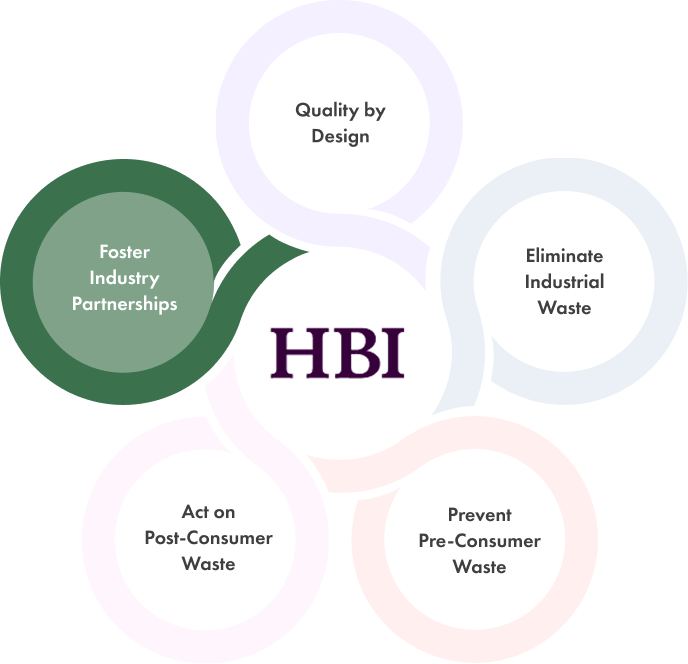
Foster Industry Partnerships
Collaborate to scale circular solutions. Circularity is a collective effort. No single brand can drive meaningful change alone, which is why we’re committed to collaborating with industry leaders, nonprofits, and innovative partners who share our vision for a more circular future.
Show more
By aligning with global initiatives, contributing to shared knowledge, and supporting cross-sector efforts, we can accelerate systemic change and scale solutions that benefit the entire industry and the planet.