OUR PREFERRED
MATERIALS
FRAMEWORK
We believe that the materials we choose define not only our products but also our impact on the planet and the people who make them. That’s why we’ve developed Our Preferred Materials Framework – a clear, practical framework to help us make smarter material choices that are grounded in industry research, aligned with leading standards, and designed to evolve.
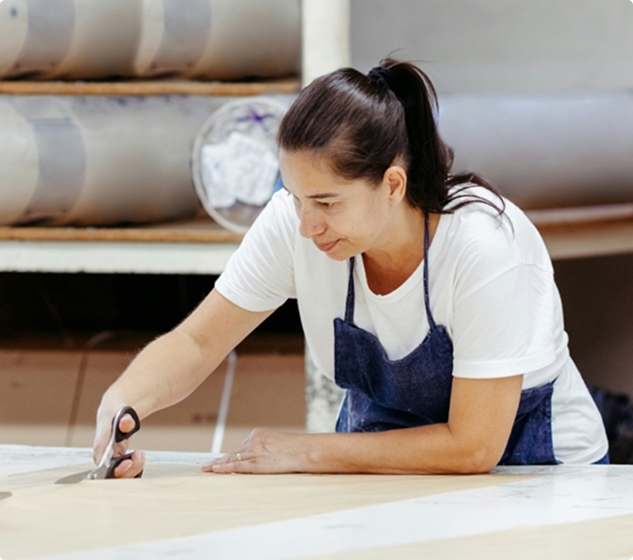
Our Preferred Materials Framework
Our Preferred Materials Framework is a dynamic tool to help guide responsible sourcing, ensuring we prioritize fibres that have lower environmental impact, credible certifications, traceability, assurance, and responsible chemical management. The framework categorizes fibres into three levels: Best, Better and Basic.
Best Fibres
The leading choices for sustainability, backed by credible certifications, supply chain traceability, third-party audits, and responsible chemical management. These fibres align with leading industry initiatives such as Textile Exchange and Canopy.
Better Fibres
Those that demonstrate improved environmental and/or social practices compared to conventional alternatives.
Basic Fibres
These conventional fibres represent the start of the framework and serve as a baseline for improvement.
OUR FRAMEWORK
FILTER BY:
NATURAL MATERIALS

BEST FIBRES
Recycled Cotton
Made from pre- or post-consumer cotton waste, recycled cotton gives new life to discarded textiles. This approach helps reduce reliance on new raw materials and lowers the overall demand for water, energy, and chemicals.
Source:
Organic Cotton
Grown without synthetic pesticides or genetically modified seeds, organic cotton is produced following certified standards. Its farming practices are designed to support soil health and reduce water pollution.
Source:
U.S. Cotton Trust Protocol
The U.S. Cotton Trust Protocol is a program focused on continuous improvement, where participating farms report data on water use, soil health, and emissions to support greater transparency and environmental performance. While we do not currently source cotton through this program, we recognize its efforts.
Source:
Australian myBMP Cotton
Produced under Australia’s Best Management Practices program, myBMP cotton follows strict standards covering 10 production modules including water use efficiency, soil health, and pesticide applications. It reflects an industry-wide approach to sustainable cotton farming.
Source:
Physical Better Cotton
This cotton is traceable from its country of origin through the supply chain. This means products with the BCI Cotton label will contain a specific percentage of that traceable cotton. While we do not currently source cotton through this program, we recognize its efforts.
Source:
Certified Wool
Certified to meet standards that consider the well-being of sheep and the care of the land they graze on. This also brings more visibility to the supply chain, helping brands and consumers better understand where the wool comes from and how it was produced.
Source:
Certified Down
Certified to verify that down and feathers come from birds that haven’t been subjected to unnecessary harm. This helps support better animal welfare practices and gives brands and consumers confidence in what’s inside the products they choose.
Source:

BETTER FIBRES
US Grown Cotton
Produced under some of the world’s most regulated environmental and labour standards, U.S. cotton is classified as a food crop. Each bale is sampled and graded by the U.S. Department of Agriculture and carries a unique ID, making it traceable back to the gin level. U.S. cotton is generally grown using conventional agricultural practices.
Source:
AU Grown Cotton
Similar to its U.S. counterpart, Australian cotton is cultivated under rigorous environmental and labour regulations, but generally relies on conventional farming practices.
Source:
Better Cotton - Mass Balance
Under the mass balance system, Better Cotton is mixed with conventional cotton as it moves through the supply chain, meaning the final product may not contain physically traceable Better Cotton. However, this model helps channel support toward more sustainable farming practices and improved livelihoods in cotton-growing regions.
Source:
Conventional Linen
Made from the flax plant, linen is known for its natural texture and breathability. Conventional linen is widely used in apparel and home textiles and typically requires less water and energy than many other fibres.
Source:
FSC or PEFC Certified Rubber
Sourced from responsibly managed forests, following standards that protect ecosystems, workers, and local communities. Certifications like FSC® and PEFC™ help verify the rubber comes from sustainable forestry practices.
Source:

BASIC FIBRES
Other Cotton
Cotton is a natural fibre commonly used in clothing and textiles. Conventional cotton is grown using traditional farming methods and is widely available throughout the global supply chain.
Wool
Wool is a natural fibre obtained from the fleece of sheep, known for its warmth and durability.
Down
Down is a natural material consisting of the soft, fine feathers found beneath the outer feathers of ducks and geese. Known for its ability to trap heat, it provides effective lightweight insulation.
Rubber
Natural rubber is a flexible material harvested from rubber trees. It offers durability and water resistance, making it useful in a variety of products.
SYNTHETICS
BEST FIBRES
Recycled Polyester
Recycled polyester is made from things like used plastic bottles and leftover fabric. Instead of using new raw materials to produce the fibre, it reuses existing ones—helping cut down on waste, energy, and resource use.
Source:
Biodegradable Polyester
CiCLO® technology is a patented, science-driven solution that enables synthetic fibres like polyester, to mimic natural ones in the environment, therefore reducing the environmental impact of microplastic pollution from synthetic textiles. When textiles or microfibres enhanced with CICLO® end up in places where biodegradation can occur - like oceans and landfills -they’re designed to attract microbes which accelerate the biodegradation process.
Source:
Recycled Nylon
Recycled nylon is made from materials like discarded fishing nets and textile waste. By reusing existing materials instead of creating new ones, it helps reduce waste, energy use, and the need for new raw materials.
Source:
Recycled Elastane
Derived from post-industrial waste, recycled elastane provides an alternative to virgin elastane. It maintains stretch properties while helping to reduce demand for petroleum-based inputs.
Source:
Textile Exchange - Other Synthetics
BETTER FIBRES
Biobased Elastane
Partially made from plant-based sources, bio-based elastane is designed to reduce dependency on fossil fuels while offering similar stretch and performance characteristics to traditional elastane.
Source:
BASIC FIBRES
Polyester
A synthetic fibre made from petroleum-based resources, virgin polyester is widely used for its strength, durability, and versatility.
Nylon
Virgin nylon is a synthetic fibre made from petroleum-based materials. Known for its strength and stretch, it’s commonly used in activewear and performance fabrics
Elastane
Elastane is a synthetic fibre known for its exceptional stretch and recovery. Often blended with other materials to provide flexibility and shape retention.
Elastodiene
Elastodiene is a stretchable synthetic fibre used to add flexibility and shape retention to fabrics. It’s often blended with other fibres to improve comfort and fit in clothing.
Acrylic
Acrylic fabric is a synthetic textile made from a polymer called acrylonitrile. It’s lightweight, retains vibrant colors well, and mimics the softness of wool.
Metallic
Metallic fibres are made from thin strands of metal or metal-coated materials. They add shine and reflective qualities to fabrics.
MAN-MADE CELLULOSIC FIBERS (MMCF)
BEST FIBRES
TENCEL™ Lyocell
Fibre derived from controlled or certified wood sources. TENCEL™ Lyocell fibres are produced in a closed loop process which recovers 99.8% of the solvent – resulting in close-to-zero wastage.
Source:
TENCEL™ Modal
Made from wood, a natural raw material derived from certified or controlled wood sources, TENCEL™ Modal fibres are made with at least 50% less carbon emissions and water consumption compared to generic modal.*
*Results based on LCA standards (ISO 14040/44) and available via Higg MSI (Version 3.8).
Source:
LENZING™ ECOVERO™ Viscose
A viscose fibre made from wood sourced from certified or controlled wood sources and produced with at least 50% less carbon emissions and water consumption compared to generic viscose. LENZING™ ECOVERO™ fibres are produced with a special identification technology that makes them physically traceable throughout the numerous steps in processing – and even in the final textile product.
Source:
LENZING™ ECOVERO™ x REFIBRA™
LENZING™ ECOVERO™ fibres produced with REFIBRA™ technology use textile waste as a raw material, in addition to wood. The fibres contain a minimum of 20% recycled material.
Source:
LIVA Reviva
LIVA Reviva fibres are made by blending textile waste with wood sourced from FSC-certified forests. These fibres support the circular economy by reducing waste and promoting responsible forestry practices.
Source:
Birla Excel™
A lyocell fibre made from wood pulp sourced from responsibly managed forests. It’s produced in a closed-loop process that recovers over 99% of the solvent used, combining smooth comfort and strength with efficient use of resources.
Source:
Birla Modal™
Birla Modal™ is made from wood pulp sourced from responsibly managed forests and produced in facilities that adhere to strict environmental standards. It’s a durable fibre that supports responsible sourcing and manufacturing practices.
Source:
BETTER FIBRES
FSC or PEFC Certified MMCF
FSC or PEFC Certified MMCF verifies that man-made cellulosic fibres are sourced from forests that are managed responsibly, with a focus on environmental sustainability. These certifications verify that the fibres come from well-managed forests, helping to protect biodiversity and promote responsible forest practices. The certification provides transparency and assurance for brands and consumers seeking to make environmentally conscious choices.
Source:
BASIC FIBRES
Modal
Modal is a semi-synthetic fibre made from wood pulp, typically sourced from beech trees. It's produced through a chemical process and is commonly used with other fibres to enhance drape and softness.
Viscose
Viscose is a semi-synthetic fibre made from wood pulp, processed through a chemical method to create a soft, versatile material.
Cupro
Cupro is a semi-synthetic fibre made from cotton linter, the fine fibres surrounding cotton seeds. It's processed using a chemical method and is often used in lightweight, fluid fabrics.
Rayon
Rayon is a semi-synthetic fibre made from wood pulp and processed through a chemical method. Often used as an alternative to silk or cotton, it’s found in a wide range of clothing and textiles for its soft, drapable quality.
Viscose Bamboo
Viscose bamboo is a semi-synthetic fibre made from bamboo pulp that’s processed through the viscose method. While the raw material comes from bamboo, the transformation into fibre involves chemical processing similar to other types of viscose.
Lyocell
Lyocell is a semi-synthetic fibre made from wood pulp using a closed-loop production process that recycles most of the chemicals and water used. It’s commonly used in clothing for its strength, smooth texture, and breathability.

To stay aligned with the latest developments in preferred materials, we continuously update our Preferred Materials Framework in response to evolving industry standards, certifications, and scientific advancements, including Textile Exchange’s Fiber & Materials Matrix, Cotton Incorporated, and other trusted sustainability resources. This adaptive approach allows us to push for progress over perfection – supporting more responsible material choices while recognizing the complexities of systemic change. It also keeps us on track to meet our 2030 goals: using 90% Better or Best fibres across all our materials and using 100% Better or Best cotton. By driving industry-wide transformation and providing greater transparency, we aim to empower our teams, partners and consumers to make more informed choices.
Prioritizing Traceability
Creating more responsible products starts with knowing exactly where our materials come from, which is why we’ve set an ambitious goal to attain 100% disclosure of Tier 1 and Tier 2 suppliers. While we are working towards this goal, our U.S. cotton sourcing stands as a strong example of our progress in action.
In 2024, 89% of all our cotton — around 180 million pounds — used Better or Best fibres, much of it from U.S. growers. We choose U.S. cotton not only for its quality, but because it’s grown using leading practices for land and water use, with fewer pesticides and under some of the world’s most rigorous labour standards. Thanks to a bale identification system, we’re able to trace this cotton down to the gin level – giving us rare visibility into how it’s grown and who produces it. This level of traceability allows us to make better sourcing decisions and is part of our efforts to create products that are grounded in transparency, responsibility, and less impactful for both people and planet.
For more information about the traceability of our cotton, see our U.S. yarn and cotton gins, which can be found on our Traceability page.