
PLANET
Forestry Initiative Sustains Biomass Power Plant in Dominican Republic
March 2024
HanesBrands Dos Rios Textiles in the Dominican Republic pioneered a biomass project, where associates are using wood chips from sustainably managed energy crop to power steam boilers – reducing dependency on fossil fuels.
Steam, traditionally generated by burning fossil fuels, is used as a source of heat energy for dyeing and finishing processes in the textile industry.
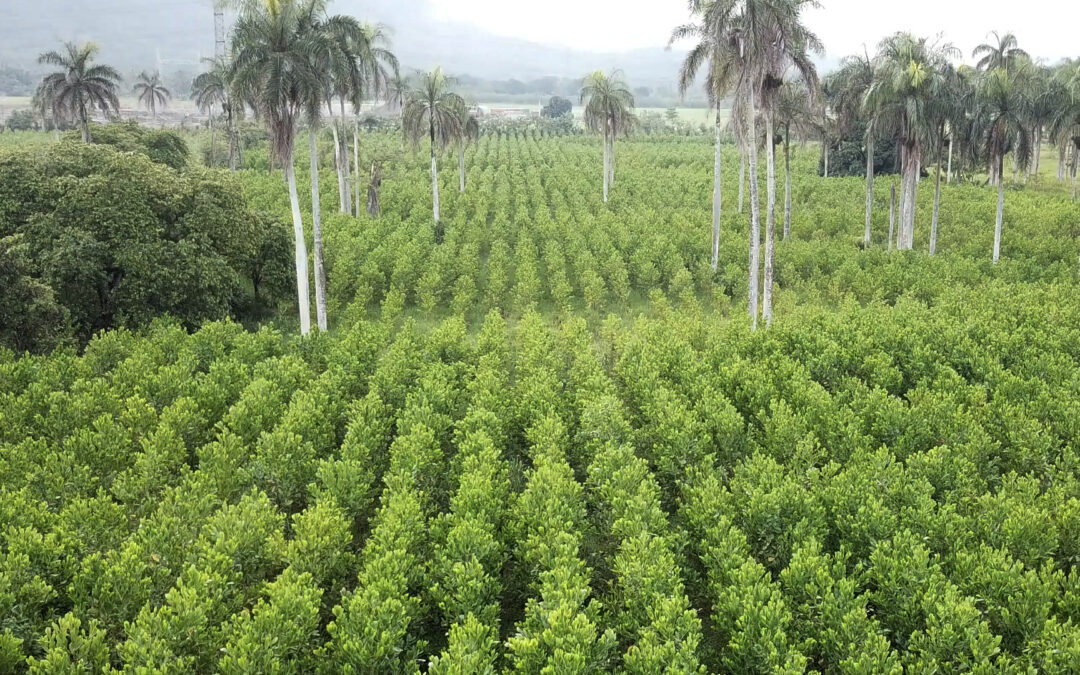
Through a forestry initiative, the Dos Rios facility initiated an energy crop consisting of approximately 80 hectares of Acacia mangium trees. The forestry project will partially sustain steam generation – reducing the dependency on fossil fuels, lowering the plant’s carbon footprint, and increasing overall energy efficiency.
“The energy crop that supplies the biomass plant observes sustainable forestry management practices to ensure long-lasting benefits to the environment while at the same time allowing us to reduce our dependency on fossil fuels,” said Mariela Moronta, corporate social responsibility and sustainability manager – DR.
Guillermo Serna, director, manufacturing process optimization and innovation – Global Operations, spearheaded this sustainable project in a laboratory in 2018, which is now helping meet environmental and cost goals as well as fostering the local operations’ commitment to sustainability.
Carbon emissions from fossil-fuel boilers are one of the main sources of direct greenhouse gas emissions in the textile industry.
Biomass usage as a fuel reduces and even eliminates fuel oil usage for some periods of time – resulting in a reduction of approximately 80% of greenhouse gas emissions comparatively. With this project, the plant will cover the biomass demand with a cost reduction of 30%.
The trees used in the biomass plant are also eventually returned to the soil, as the ashes from the plant are rich in nutrients for the new trees.
Acacia mangium trees have a continuous growth cycle of four years to achieve the appropriate ratio of seven trees per metric ton. At the end of this auto-generational cycle that guarantees the steadiness of the energy crop, the trees have grown mature and are cut – beginning partial forestry harvesting.
This biomass plant project in the Dominican Republic is significantly contributing to our 2030 sustainability goals under the planet pillar.